Signs You Need Foundation Repair: A Wichita Homeowner's Guide
The visible signals your house gives when the foundation is moving, what each one means, and which combinations actually warrant a call to a foundation specialist.
The visible signals your house gives when the foundation is moving, what each one means, and which combinations actually warrant a call to a foundation specialist.
South-central Kansas sits on expansive clay soil. When the soil under your house gets wet, it swells. When it dries out, it shrinks. Wichita's spring rains and long, hot summers run that cycle every year. Over time, the soil under different parts of your foundation can move at different rates, and the structure has to respond. The visible signs of that response are what this guide is about.
Not every crack means you need piers. A small drywall crack above a door can be drywall mud settling, a humidity change, or a framing nail that finally let go. The trick is recognizing the patterns that almost always mean structural movement and the combinations that turn one isolated symptom into a foundation problem worth fixing.
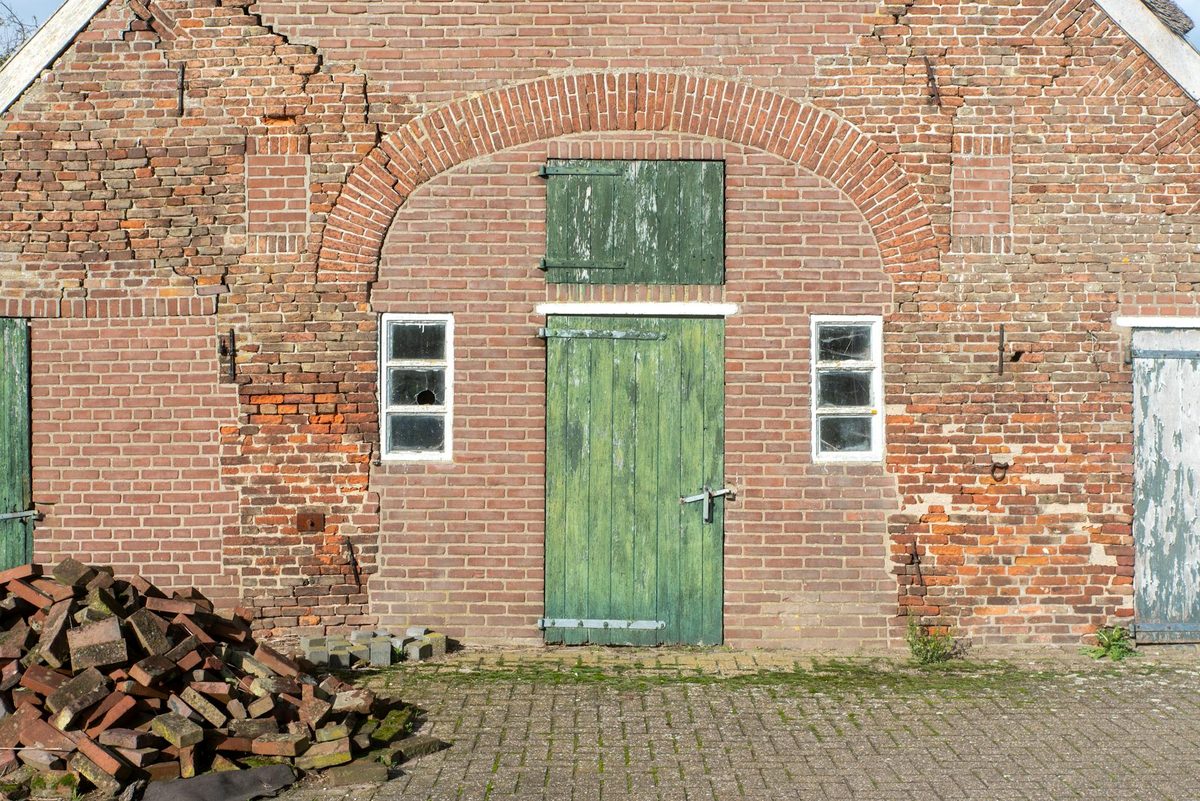
A stair-step crack follows the mortar joints between bricks in a diagonal stair pattern, usually starting at a corner and climbing up and outward. This pattern is almost always foundation settlement. Brick veneer is rigid and unforgiving. When the foundation behind it tilts even slightly, the veneer cracks along the path of least resistance, which is the mortar.
Width matters. A hairline stair-step in older brick may be 50 years old and stable. A fresh, clean-edged stair-step that has appeared in the last year, especially one that is still growing, is active movement and worth an inspection.
Drywall cracks that radiate diagonally from the upper corner of a door or window frame are a classic foundation signal. The frame is racking as the structure twists around the moving footing below. A single small crack is not proof. A pattern of cracks at multiple openings on the same side of the house usually is.
A door that has worked fine for fifteen years and suddenly drags on the strike side, or a double-hung window that will not stay open, is responding to a frame that is no longer square. Combined with diagonal cracks at the same opening, this signal is hard to ignore. Combined with sloping floors in the same room, it is foundation movement.
The marble test: drop a marble or a golf ball on the floor in the middle of a room. If it rolls visibly in one direction with no help, the floor has tilted. A manometer survey will quantify the slope in inches and tenths and pinpoint where the floor has dropped. Sloping that runs diagonally across a room toward one corner usually tracks back to settlement at that corner of the foundation.
When the framing moves, finish carpentry pulls apart at its joints. Baseboard separates from the floor. Crown molding pulls down from the ceiling. Door casing opens up at the top corner. These gaps are almost always a downstream symptom of something structural happening underneath.
A horizontal crack running along a basement wall at roughly mid-height is one of the most serious signals on this list. It means soil pressure outside is pushing the wall inward. A stair-step crack in a block basement wall says the same thing. Both warrant immediate inspection. The fix is basement wall repair, and the longer the wall sits, the more aggressive the fix has to be.
A chimney pulling away from the side of the house is one of the loudest signals a structure can send. The chimney sits on its own footing. When that footing moves at a different rate than the main foundation, the chimney leans or pulls away. Gaps wider than a credit card warrant a call.
Diagonal cracks across a basement slab or garage floor that are growing in width over time often indicate that the slab itself is being twisted by movement at the foundation walls or at the perimeter beam.
These signals on their own are usually not enough to warrant repair. They can be normal aging of a home. Worth noting, worth keeping an eye on, not necessarily worth a pier system.
One strong signal alone is usually worth a free inspection. Two or more strong signals at the same time almost always justifies the call. The cost of being wrong is small: a 45 to 90 minute inspection at no charge. The cost of waiting too long is much larger, because settlement does not slow down on its own. A small fix today is usually a fraction of the cost of the same problem in five years.
For a clear sense of what the work would actually cost if it is needed, read our 2026 Wichita cost guide. For the local soil background that drives nearly every Wichita foundation problem, see why Kansas foundations crack.
Written report. No pressure. We tell you what we see and what, if anything, to do about it.
Wichita Foundation Pros connects homeowners with licensed, insured local foundation repair contractors. We are not the licensed contractor of record for every job.