Park City sits immediately north of Wichita off I-135 in Sedgwick County. The city grew quickly from the 1970s onward, and most of its residential stock is suburban subdivision homes built between 1980 and the present. The newer developments out around Hartman Arena and along the 77th Street North corridor sit on land that was farmed for generations before development. That history matters for foundations, because new construction loads on previously light-use clay soil settle in their own pattern over the first decade or two.
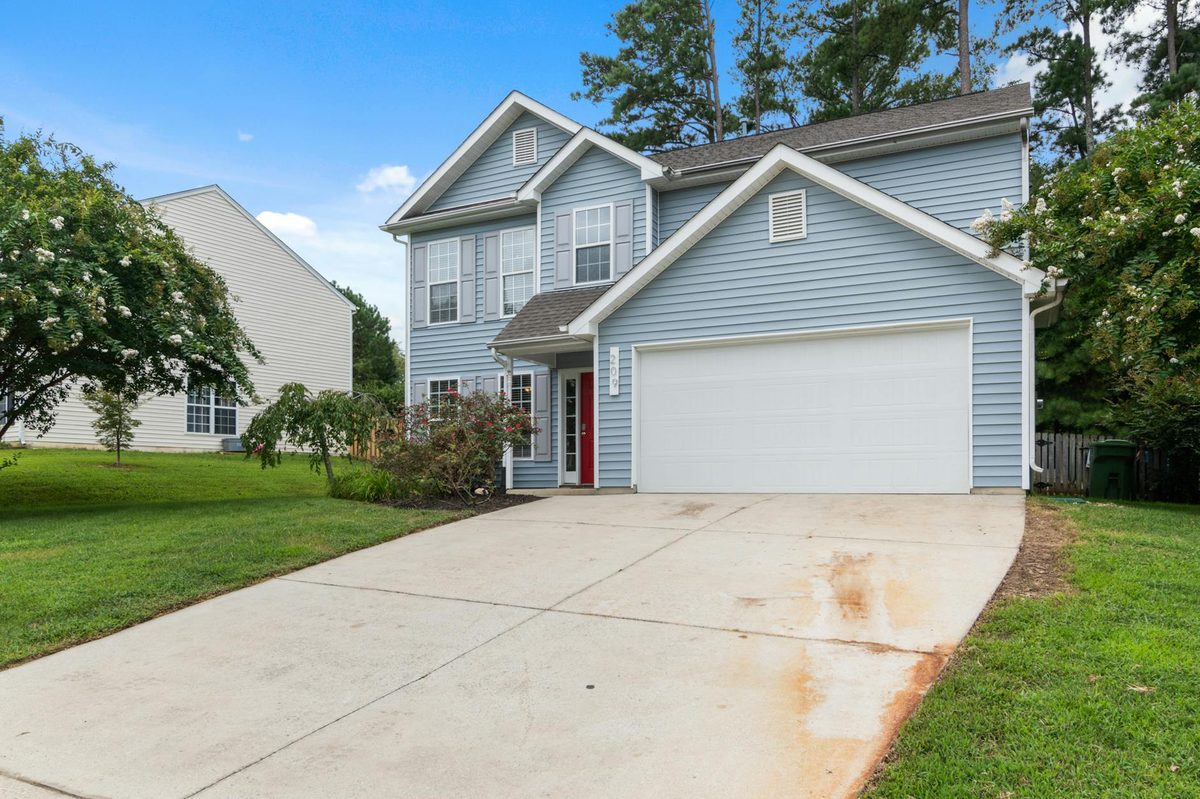
The dominant story in Park City is slab settlement on relatively young construction. Most homes are 25 years old or less, and the soil under the back perimeter beam is often the first thing to give. The pattern we see most often: a small diagonal crack opens above the back patio door, a back-corner kitchen floor starts to slope, and a downspout that has been dumping water near that corner for 20 years turns out to be the root cause.
A subset of older Park City homes near 61st Street North were built when the area was still mostly rural. Those homes occasionally have basements or crawl spaces and the foundation issues match what we see in inner north Wichita, including bowing basement walls and crawl space post failure.
Soil near the Arkansas River corridor west of Park City can be more variable than the deeper clay east of I-135. We size pier depth to the actual site, not to a single citywide number.
Engineered piers under settled Park City homes, designed from a real inspection.
Learn More →The most common scope in Park City. Perimeter beam stabilization with controlled lift.
Learn More →Push and helical piers driven through clay to load-bearing strata.
Learn More →Sunken Park City driveways and sidewalks lifted with polyurethane foam.
Learn More →Urethane and epoxy injection for active cracks across Park City homes.
Learn More →Carbon fiber straps and anchors for the older Park City basements that show lateral pressure.
Learn More →Park City's growth happened on what used to be agricultural land, and the topsoil and subsoil profile in many subdivisions is what farmers left rather than purpose-built engineered fill. That is normal for the region, but it means soil-bearing capacity can vary across a single subdivision. Drainage matters more here than in older infill construction because subdivision swales and detention basins are the only handling of stormwater.
We also serve Valley Center further north, Bel Aire to the east, and the full Wichita metro. See foundation repair for the flagship service.
Wichita Foundation Pros connects homeowners with licensed, insured local foundation repair contractors. We are not the licensed contractor of record for every job.