Maize is on the northwest edge of the Wichita metro in Sedgwick County, and very little of its current residential stock predates the year 2000. The town grew quickly through the 2000s and 2010s as a string of new subdivisions spread east of Maize Road and out toward 119th Street West, mostly serving the strong USD 266 school district. The homes are newer, the soil under them is the same expansive Kansas clay, and the foundation issues that show up here are predominantly early-life settlement.
Newer construction on land that recently transitioned out of agricultural use is a specific situation. The land was farmed for decades, the topsoil was tilled, and the clay below it carried the weight of a tractor or harvester occasionally but not the constant point loads of a house. When a new slab goes down on that soil, the first few years are when the soil profile under the new load finds its bearing.
What we see most often in Maize homes in the 5 to 15 year age range: small cracks above patio doors, drywall cracks at the corners of windows, and floors that have begun to slope slightly toward the back. None of this is unusual on its own. What matters is whether the movement is still active or has stabilized. Floor elevation measurements over a couple of inspection cycles answer that question better than a single look.
For new construction settlement, the right repair is often more targeted than a full pier system: piers under the specific affected corner, often combined with drainage corrections at downspouts and irrigation, can stop the movement and protect the rest of the house.
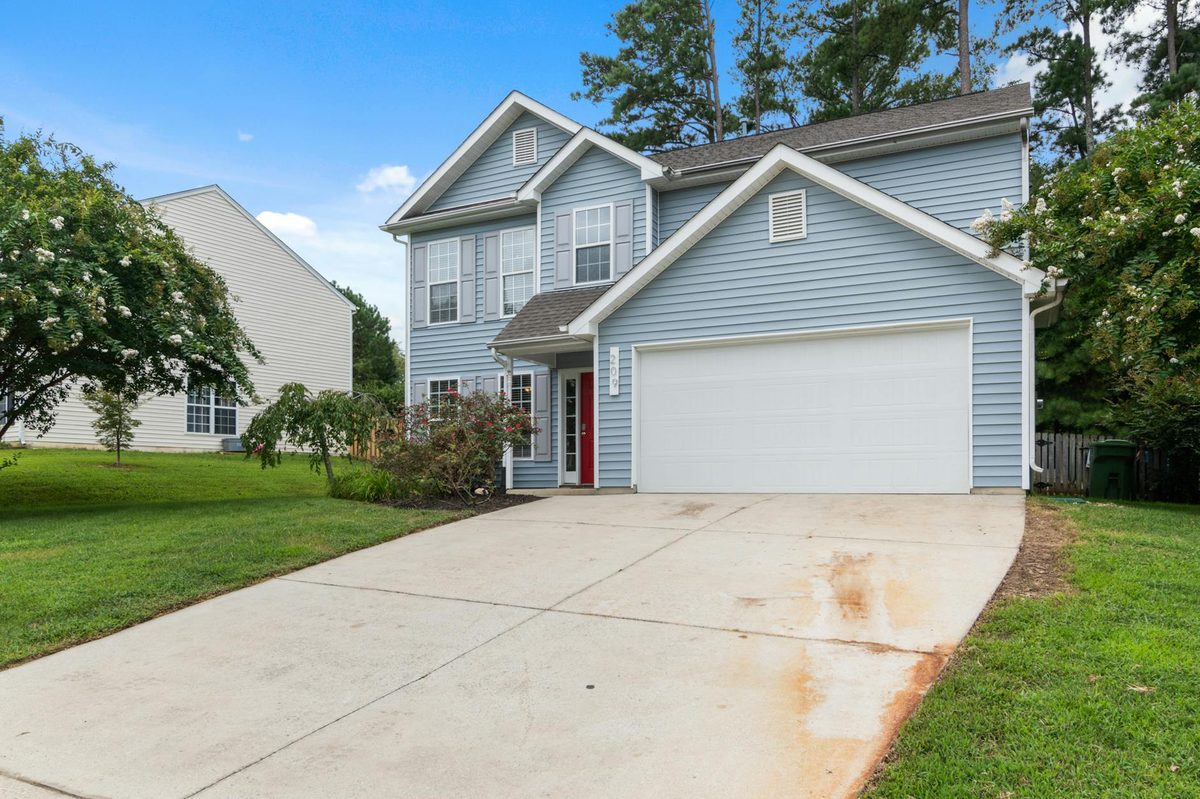
Engineered piers under settled Maize homes, sized from floor elevation data, not guesswork.
Learn More →The most common scope in Maize. Targeted piers under settled corners and perimeter beam segments.
Learn More →Push and helical piers driven through Maize clay to load-bearing strata.
Learn More →Urethane and epoxy for slab and stem wall cracks across Maize homes.
Learn More →Carbon fiber and anchors for the smaller share of Maize homes built with full or partial basements.
Learn More →Maize subdivisions tend to have shallow swales, retention ponds, and consistent grade across the subdivision. That generally helps drainage, but it also means that when a downspout is dumping water close to a foundation, there is not much elsewhere for that water to go. Solving the downspout problem is often the cheapest, fastest part of any Maize repair plan.
We also serve Goddard to the south and Valley Center to the east. See the full Wichita metro service area or read about our foundation repair service.
Wichita Foundation Pros connects homeowners with licensed, insured local foundation repair contractors. We are not the licensed contractor of record for every job.